Introduction
When it concerns saving lives, couple of abilities are as essential as Cardiopulmonary Resuscitation (CPR). Whether you're a spectator or a trained doctor, recognizing just how to efficiently carry out mouth-to-mouth resuscitation can suggest the distinction between life and fatality. One aspect that commonly creates argument among physician and nonprofessionals alike is the slow compression rate during CPR. This article dives deep into the subtleties of mouth-to-mouth resuscitation, exploring how a slow compression price can be stabilized with reliable lifesaving techniques.
In this detailed overview, we'll cpr express cover whatever from basic vs innovative life support to the procedures involved in public defibrillator use. We'll also explore subjects such as checking responsiveness, recognizing no breathing, and keeping calmness throughout an emergency. By the end of this article, you'll have a durable understanding of mouth-to-mouth resuscitation and its various elements, making you better prepared to act when it counts.

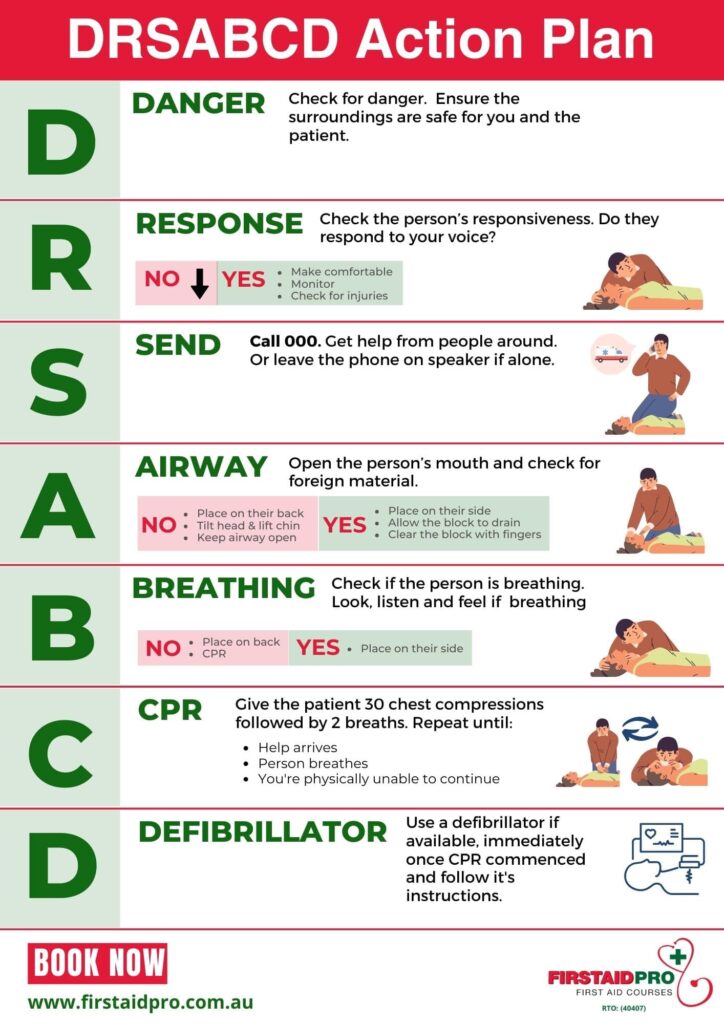
Slow Compression Price: Finding the Right Equilibrium in CPR
Understanding the ideal compression price is crucial for effective mouth-to-mouth resuscitation. The American Heart Organization (AHA) advises a compression price of 100-120 compressions per min for grownups and children. Nonetheless, some specialists say that in specific circumstances-- particularly when adrenaline is high-- a slower compression rate may really improve blood circulation.
Understanding Compression Rates
Compression rates refer to how quickly chest compressions are carried out throughout mouth-to-mouth resuscitation. The ideal balance is critical; as well quickly can lead to ineffective blood flow, while too slow may not create sufficient stress to sustain important organs.
Why Slow Compression Rates?
While most guidelines advocate for fast compressions, there are situations where a slower strategy might be warranted:
Fatigue: When rescuers wear down quickly. Precision Over Speed: Ensuring each compression is effective might require slowing down down. Rescuer Coordination: Taking turns on compressions typically needs adjustments that could lead to recurring slow rates.Basic vs Advanced Life Support
The difference between fundamental and advanced life support can substantially impact your method to carrying out CPR.
Basic Life Assistance (BLS)
BLS includes important strategies like upper body compressions and rescue breaths targeted at maintaining life till professional help arrives:
- Checking responsiveness Identifying no breathing Maintaining calmness during emergencies
Advanced Life Support (ALS)
ALS consists of more sophisticated medical interventions provided by qualified medical care specialists:
- Use of medications Advanced airway management Monitoring vital signs
Understanding these distinctions will assist you recognize when and just how to use various strategies effectively.
Checking Responsiveness: The Initial Step
Before delving into CPR, examining responsiveness is crucial for examining whether a specific needs prompt support. A simple approach is:
Gently touch the individual's shoulder and shout loudly. Look for any indications of activity or verbal response.If they do not react, wage checking their breathing.
Identifying No Breathing: A Trick Indicator
Identifying no breathing or uncommon breathing patterns is crucial for identifying whether CPR is needed: virtual cpr refresh training
Look for breast rise. Listen for breath sounds. Feel for breath on your cheek.If there's no regular breathing after 10 secs, start upper body compressions immediately.
Public Defibrillator Usage: A Vital Tool
Public Gain access to Defibrillators (PADs) save lives by bring back heart rhythm throughout cardiac arrest situations:
- Familiarize yourself with their place in public spaces. Follow voice prompts provided by AEDs; they are made to guide you through each step.
Using an AED together with slow compression prices can significantly boost survival chances.
BLS Certification: Encouraging You with Knowledge
Obtaining BLS accreditation gears up individuals with essential lifesaving skills:

Having this understanding can impart self-confidence when confronted with real-life emergencies.
Taking Turns on Compressions: Preventing Fatigue
When doing CPR alone can lead to fatigue really promptly; thus taking turns with an additional rescuer comes to be important:
- Switch every 2 mins or when fatigued. Ensure seamless changes without stopping briefly compressions.
This practice aids preserve ample blood circulation throughout the period of the emergency situation.
Lower Compression Depth: When Is It Acceptable?
Typically, the recommended deepness for adult compressions has to do with 2 inches (5 cm). However, specific situations might require lower depths:
Very little grownups or adolescents may require adjustments based upon body type. Situations involving expectant females may also need customized techniques for security reasons.Always prioritize effective compressions over adhering strictly to depth metrics if circumstances necessitate it.
Maintaining Calmness Under Demanding Circumstances
Composure during emergency situations can not be overstated:
- Take deep breaths before responding. Focus on your training instead of panicking.
Keeping calmness enables you to assume cpr clearly and carry out techniques more effectively throughout high-pressure scenarios like heart attack events.
FAQs
What ought to I do if I see somebody collapse?
Immediately inspect responsiveness by calling their name or touching their shoulder carefully; if unresponsive and not breathing usually within 10 seconds, call emergency situation solutions and start mouth-to-mouth resuscitation immediately.
How do I recognize if my compressions are effective?
Look for noticeable indications of circulation; if their breast rises noticeably after each compression or you really feel a pulse return shortly after beginning mouth-to-mouth resuscitation-- these are great indicators!
Are there any kind of age-specific considerations in CPR?
Yes! Adjustments must be made based upon age groups; infants call for gentle taps while young children require lighter stress contrasted to grownups who take advantage of much deeper compressions as much as 2 inches in depth.
What happens if I make blunders while executing CPR?
Even incomplete attempts at CPR are better than not doing anything in any way! Adhere to the standard actions carefully-- emergency situation -responders will take control of as soon as they arrive but your intervention could conserve a life!
How does using an AED suit my CPR efforts?
An Automated External Defibrillator must be made use of as quickly as it's available-- follow its motivates thoroughly while continuing breast compressions up until triggered or else by the tool itself!
Why ought to I pursue BLS certification?
BLS qualification offers invaluable skills that empower individuals not just skillfully yet directly-- it prepares you both mentally and physically for emergencies so you can act decisively!
Conclusion
Finding the best balance between speed and effectiveness in providing mouth-to-mouth resuscitation genuinely affects outcomes in emergency situation scenarios entailing cardiac arrest sufferers. From comprehending basic vs sophisticated life assistance principles through examining responsiveness all while understanding public defibrillator use-- it's clear that education and learning plays a substantial function in outfitting individuals with lifesaving skills essential today more than ever before! Taking these facets right into account together with identifying when slower compression prices might verify useful makes certain that everyone-- from laymans to medical care professionals-- can with confidence take part in acts of heroism no matter scenario!
By accepting understanding around these principles-- and acquiring certifications-- we're all qualified contributors towards constructing much safer communities equipped versus unforeseen emergency situations waiting simply around our edges! So prepare individuals-- the next time someone requires aid-- you'll know specifically what actions must be taken!